
"G1-G8 grade"
40000 article(s) found

Grading of raw coffee beans
At present, there are three main rating criteria for raw coffee beans, and different countries adopt different rating methods according to their own production conditions and national conditions (not all coffee producing countries adopt the same method). Let's introduce these three popular rating methods. One: the reason for the emergence of such a classification standard according to the altitude of the coffee producing area is mainly because of the high level.

Coffee knowledge Daquan coffee bean baking grading
The roasting degree of coffee beans can be subdivided into 8 levels, as shown in the table. In the baking stage, countries have a special preference for Light shallow baking, the lightest baking, with grass flavor, no aroma and concentration to speak of. The experiment uses light Cinnamon cinnamon to bake with a general baking degree and a strong sour taste. The beans are cinnamon. Medial is a favorite of the American West in medium baking.
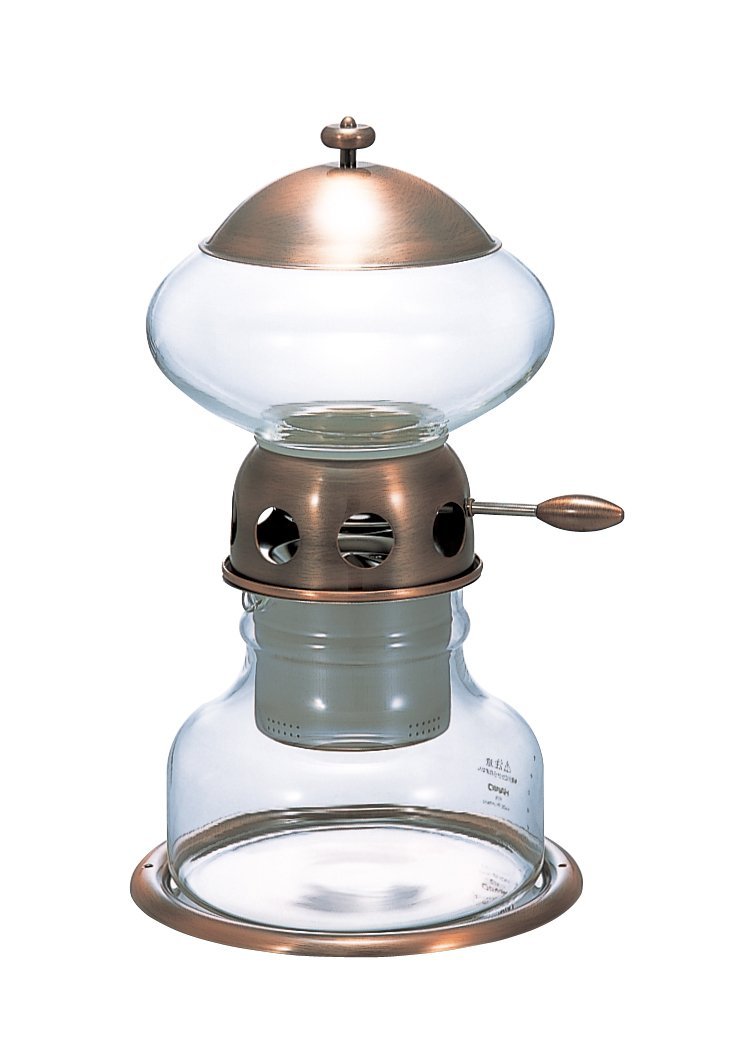
Hario drip kettle PTN-5BZ Japanese copper fever grade ice drop coffee maker specialty coffee utensils
Brand: HARIO gross weight: 1157g material: glass specification: 191729cm caliber: 8.2cm net weight: 770g capacity: 600ml country of origin: Japan
Beijing dynamic Coffee SCAA course officially recruits students
The first-level certification course for SCAA coffee roasters will be held in Beijing on September 8. At that time, ChrisWade, a special lecturer from SCAA, will open the door for students to learn the knowledge and techniques of coffee roasting, to understand the links and processes from coffee seeds to a cup of coffee from a professional point of view, to learn the concept and origin of fine coffee, and to learn coffee.

Introduction to the grading method of Tanzanian Coffee beans
Professional coffee knowledge exchange more coffee bean information please follow the coffee workshop (Wechat official account cafe_style) front street-Tanzania coffee classification Peaberry coffee beans grown in Mount Maru and Kilimanjaro in Tanzania is a bright Arabica coffee with medium-bodied wine and pleasant fruity acidity. The best Tanzanian coffee has a deep

Fragrant and mild Salvadoran Coffee Flavor Taste introduction of boutique coffee beans in manor production area
El Salvador's economy is dominated by agriculture and its industrial base is weak. Since 1992, the reform of economic liberalization has been carried out, inflation has been curbed and the economy has developed rapidly. From 1990 to 1997, the economy grew at an average annual rate of 5.3%. Since 2001, the policy of economic dollarization has been implemented, allowing the legal circulation of US dollars, the fixed exchange rate between the local currency and the US dollar, and overall macroeconomic stability. In 2010, imports totaled US $8.189 billion.

Ethiopian Coffee Bean grading Standard-explanation of Ethiopian Coffee Bean Export auction process
Professional coffee knowledge exchange more coffee bean information Please follow the coffee workshop (Wechat official account cafe_style) the evaluation criteria of Ethiopian coffee beans were formulated with the assistance of the American Fine Coffee Association (SCAA) (why can't Ethiopia, as the home country of coffee, be independent? Yeah! Think about it)-Egypt fully implemented the central auction system in 2008.

Graded coffee raw bean treatment
At present, there are three main rating criteria for raw coffee beans, and different countries adopt different rating methods according to their own production conditions and national conditions (not all coffee producing countries adopt the same method). Let's introduce these three popular rating methods. One: the reason for the emergence of such a classification standard according to the altitude of the coffee producing area is mainly because of the high level.
Knowledge about coffee raw beans classification and nomenclature of coffee in different countries
What exactly do G1, G2, G3, G4, AA, PB, SHB, SHG, EP and PLANTATION represent? The name of a coffee may contain messages such as country, producing area, variety, treatment, cup quality, bean order, bean shape or color, defect, raw bean density, etc. To really understand the naming of coffee, we must first understand the classification and classification of coffee. The grading of coffee

Tanzania Coffee-Rovuma Tanzania Coffee Bean Flavor Coffee Bean recommendation
Professional coffee knowledge exchange more coffee bean information please follow the coffee workshop (Wechat official account cafe_style) East Africa is the producer of many fine coffee, including the well-known Kenya? Ethiopia? Rwanda and so on. Tanzania is another country that produces good coffee in East Africa. In 2008, Direct Coffee introduced the sweet and fragrant Tanzanian Kighoma beans.
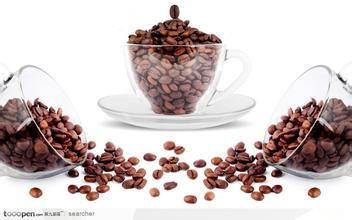
Introduction to the simple and mild grinding scale of Ugandan coffee bean varieties to treat the manor area
Dry aroma (1-5): 3.2 wet aroma (1-5): 3.4 acidity (brightness) (1-10): 8 taste (layering) (1-10): 8.5 taste (alcohol thickness) (1-5): 4 aftertaste (residual) (1-10): 8.1 balance (1-5): 0 basic score (50): 50 total score (maximum 100): 85.2 strength / main attributes: medium strength / high oil content Pristine

Introduction of EL PITAL Pitar producing area, Huilan Province, HUILA, Colombia
For the exchange of professional baristas, please follow the coffee workshop (Wechat official account cafe_style) Colombian coffee is widely sold in many producing countries, ranking the third largest coffee producing country in the world (the first is Brazilian coffee and the second is Vietnamese coffee). Most of the coffee tree species are Kaddura trees, and the owner of the manor will plant some ladders.
Brazilian coffee beans Santos Ethiopia Jimamoca coffee beans
Brazilian raw coffee beans are classified into 7 grades of N0.2No.8 according to the number of defective beans and sundries. The smaller the number, the higher the grade, and No.2 is the highest grade. According to the size of the particles, it is divided into 9 grades of S12S20, the larger the number, the bigger the particles, the higher the grade. S20 is the largest particle. Brazilian coffee generally refers to coffee produced in Brazil. There are many kinds of coffee in Brazil, such as

Uganda coffee taste Uganda AA- Bugison (Bugisu) Arabica washed coffee beans
For the exchange of professional baristas, please pay attention to the coffee workshop (Wechat official account cafe_style). Uganda is located in the Nile at the source of the landlocked countries of Africa. Although it has a long history of producing coffee like other East African countries, the quality of coffee has never been improved because of the war caused by ethnic antagonism. Good coffee is mostly grown in areas adjacent to Kenya, and some good coffee beans.
Basic knowledge of fine coffee grading of raw coffee beans
At present, there are three main rating criteria for raw coffee beans, and different countries adopt different rating methods according to their own production conditions and national conditions (not all coffee producing countries adopt the same method). Let's introduce these three popular rating methods. One: the reason for the emergence of such a classification standard according to the altitude of the coffee producing area is mainly because of the high level.

Yunnan Pu'er Coffee introduction to Yunnan Pu'er Coffee planting Yunnan Pu'er Coffee roasting Yunnan
[output] compared with the popularity of Pu'er tea, the fame of Pu'er coffee is not commensurate with the output. Yunnan coffee production accounts for 98.8% of the country's total output; Pu'er coffee production accounts for 57.8% of Yunnan's total output; and the price of a cup of Starbucks coffee is equivalent to 25 cups of AA grade Yunnan coffee beans. [planting] in 2011, one mu of coffee trees planted in Pu'er could earn 4000 yuan and 8000 yuan. [export]

How to choose Brazilian coffee beans, ranking by Brazilian coffee bean grading screening system.
Brazil is the largest bean-producing country in the world, with a total land area of 8.5149 million square kilometers and the largest country in South America. Last year, Brazil produced 61.62 million bags of coffee beans (60kg each). With such a large output, how are its coffee beans graded? The origin of Brazilian coffee: coffee began to be introduced into Brazil in the 18th century. At present, the emerging middle class in Brazil is promoting coffee in
SCAA cup test manual and raw bean defect manual
[Cup testing environmental apparatus equipment] description of ① cup measuring cups and bowls: SCAA recommended cups are tempered glass or porcelain cups with a capacity of 207-266ml and 76-89mm lids of any material. all utensils should be clean, odorless, of the same specifications and materials (for example, glass cups and porcelain bowls cannot be mixed with different capacities) [cup test sample preparation] baking 1

Ethiopian coffee beans
General requirements: The moisture content of sun-dried coffee beans should not exceed 11.5% by weight, and at least 85% of the beans remain above 14 mesh after sifting. (This is why Egyptian beans don't look good: 14 + means 14, 15, 16, 17, 18, etc. mixed together, beans must be uneven) Parchment Coffee Grades: 1, 2, 3, 4, 5, 6, 7, 8, 9
SCAA professional coffee cup evaluation system of American boutique coffee association
As one of the most authoritative professional coffee institutions in the world, the professional coffee cup evaluation system established by SCAA is used as a collection of methods, processes and standards for coffee quality evaluation. Although most cafes in China are not suitable to use this method for cup evaluation, some methods and details in the process may be helpful for us to understand the taste of coffee.